Note from a dietitian: Always eat cake on your birthday

Take a moment today to celebrate you.

Today is my birthday. Not a big splashy one, but a birthday non-the-less. In a culture where appearances are trumped only by the life you portray on social media, we crave moments in our life where simple pleasures and human connection reign supreme. We crave an escape from the toxic and relentless presence and pressure of diet culture.

Symbolic. Cake has long been synonymous with celebrations, especially birthdays. By partaking in this ritual, you’re actively participating in the celebration of your life and the memories created along the way. Take these moments to celebrate you.

Diet culture. Hmm. And then reality hits. As a dietitian, I see and hear these two words, “diet culture” as destruction to the human spirit. These two words are ladened with guilt, shame and a pressure to conform. These two words thrive on the fear of weight gain, demonizing certain foods and promoting restrictive eating patterns as the solution to all our problems. These two words make our daily choices challenging at best, and potentially life threatening at worst. These two words are very dangerous. The term ‘diet culture’ creates societal norms, unrealistic beauty standards, and harmful ideologies that permeate every aspect of our lives. Diet culture conceals a multitude of dangers that not only affect individuals’ physical health but also wreak havoc on their mental and emotional well-being. But, not every body is the same. Why do we expect this? How boring would life be if this was the case? I have met many people in my career who are healthy and happy, and yet by today’s standards are judged and criticized for their weight. Society views their worth as contingent upon their ability to adhere to arbitrary standards of beauty and thinness. Why do we do this to ourselves and each other? Why have we allowed this culture of cruelty to filter into the psyche of our children, our friends, family and ourselves? Why can we not find balance and acceptance in our minds and celebrate each person’s light that they bring to the world. Weight should not define a person. Weight is not the sparkle in someone’s eye, or the overwhelming love in their heart. Weight does not show one’s contributions to society, or their generosity of spirit. Weight does not signify a person’s intelligence, their achievements or their capacity to do great things. So, why do we allow these two words to define us. Why do they have so much power?

Shifting the narrative. It takes time, and people to shift the narrative. But, it has to begin somewhere and it can be done. Diet culture is not serving anyone. So, let’s start a new trend. Something as small as a birthday celebration with a second serving of cake can start the movement. Take photos, share your joyful, delicious moment with the world. And share it with pride. Your best weight is not defined by society, but rather the balance you find with activity, healthy eating and a life of joyful indulgence.

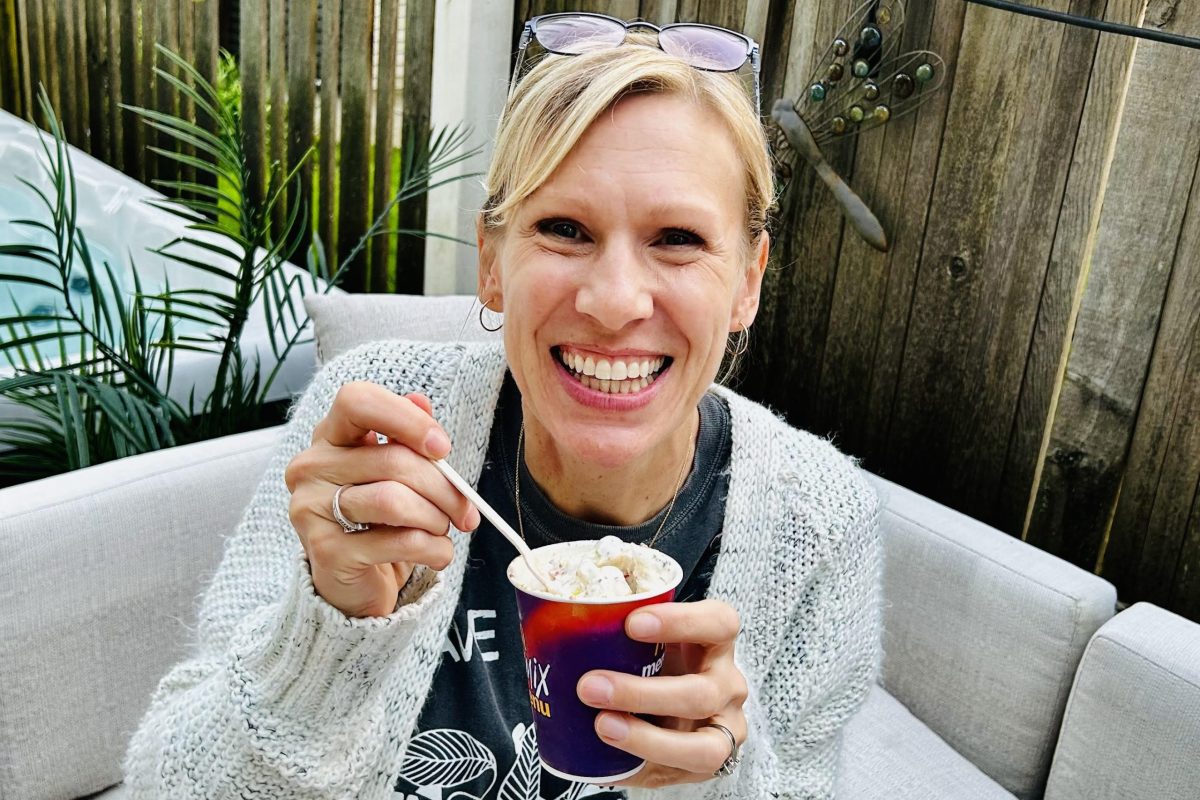
Today, I will eat my cake. I will indulge in the delicious, creamy texture and smile without guilt or shame as I help myself to a second serving. Today, is not about nutrient value, but rather about my ‘whole self’ and recognizing that quality of life has many contributing factors. Fact? Diet culture does NOT contribute to your quality of life, it hinders it.

My birthday wish? Take a moment today to see yourself not as how you look, but rather as who you are and join me in slice (or two) of cake to celebrate your fabulousness.

Oh, and another general rule? Always get popcorn at the movies. I mean…. I don’t even need to explain that one. You get it.

**To all of my friends with various dietary restrictions, “cake” here refers to a variety of options. It could be gluten-free cake, ice cream cake, cup cakes, pavlova, an ice cream sundae, a candy salad or whatever your heart desires for your special day. Bon appetite!

Gluten-Free Dining in Walt Disney World: Everything you need to know and more!

Planning a trip to Walt Disney World as a gluten-free guest? You’re in for a magical culinary experience! With a little preparation and some insider tips, you can enjoy all the delicious offerings while staying safely on your gluten-free diet. Watch my short 8-minute video that will tell you everything you need to know about gluten-free dining at Walt Disney World, and read on for some of the top tips discussed in the video.

Check out my VIDEO HERE!

My Top Five Gluten-Free Snacks in the Parks!

  1. Dole Whips: These iconic pineapple soft serves are naturally gluten-free and the perfect refreshing treat on a hot day.
  2. Gluten-Free Churros: Head to the Nomad Lounge in Disney’s Animal Kingdom to indulge in these crispy, cinnamon-sugar delights. I promise they will NOT disappoint.
  3. Popcorn: A classic snack that is both gluten-free and a great option to munch on while exploring the parks.
  4. Mickey Bars: These chocolate-covered ice cream bars shaped like Mickey Mouse are not only adorable but also gluten-free.
  5. Erin McKenna’s Bakery NYC: Located in Disney Springs, this bakery specializes in gluten-free, vegan, and allergy-friendly goodies. From cupcakes to cookies, it’s a must-visit for delicious and safe treats.

Top Tips for Gluten-Free Dining in the Parks

  1. Do Your Homework: Research restaurants and snack options ahead of time. Many menus are available online, and many highlight gluten-free options.
  2. Read Labels: When purchasing pre-packaged snacks, always check the labels to ensure they are gluten free.
  3. Talk to the Chef: At table-service or quick service restaurants, ask to speak with the chef or manager about gluten-free options. They are always accommodating and knowledgeable.
  4. Expect Some Barriers: While Disney is great with dietary restrictions, there may be times when options are limited. Be patient and flexible.
  5. Bring Snacks: Pack some gluten-free snacks in your bag for emergencies. It’s always good to have a backup in case you can’t find safe options right away.

Stay Fueled and Hydrated

Days in the parks are busy, so everyone needs to stay fueled and hydrated. Keeping yourself well-nourished is one of the magical keys to having a fabulous experience. Enjoy the magic and happy dining!

https://youtu.be/6dr4vpDFMDM

Back to School Nutrition: Fueling Young Minds and Bodies for Success

As the school year begins, ensuring your child is fueled with the right nutrients is key to supporting their academic performance, energy levels, and overall well-being. A balanced diet can help children stay focused, maintain steady energy throughout the day, and support their growing bodies. Here are some important nutrients to include in your child’s diet, along with practical tips for packing nutritious, balanced lunches.

Key Nutrients for Growing Kids:

1. Calcium and Vitamin D

Calcium and vitamin D are essential for bone health, especially during the rapid growth phases of childhood and adolescence. School aged children need between 1000-1300mg of calcium daily and 600-1000IU of Vitamin D. Calcium helps with bone formation and devlopement, while vitamin D enhances calcium absorption and supports immune function. Dairy products like milk, yogurt, and cheese are excellent sources of calcium, and many are fortified with vitamin D. If your child is lactose intolerant or dairy-free, look for fortified plant-based milks such as almond, soy, or oat milk. Tofu, spinach and almonds are other calcium-rich sources.

2. Unsaturated Fats

Not all fats are created equal, and unsaturated fats are the type you want to include in your child’s diet. These healthy fats are crucial for brain development, heart health and optimal growth. Avocados, nuts, seeds, olive oil, and fatty fish like salmon are all excellent sources. Incorporating these into your child’s meals will help support long-term health.

3. Iron

Iron is essential for carrying oxygen throughout the body and plays a key role in energy levels and cognitive function. Iron-rich foods such as beans, lentils, pumpkin seeds and spinach are important, particularly for growing kids and teens. Combining these non-heme iron-rich foods with sources of vitamin C, such as oranges, tomatoes, or bell peppers to enhance absorption and ensure your child getting the most out of their meals. Of course, lean meats are also a source of heme-iron.

Packing a Balanced School Lunch

A balanced school lunch should include a variety of nutrient-dense foods to keep your child full, energized, and ready to learn. Here’s how to build a well-rounded, nutritious lunch:

1. High-Fibre Carbohydrate Sources

Carbohydrates are the body’s primary source of energy, especially for children who are physically and mentally active all day. Opt for whole grains like whole wheat bread, brown rice, quinoa, or whole grain wraps. These high-fibre options release energy slowly, helping to maintain stable blood sugar levels and keep their digestive system happy and healthy.

2. Lean Protein

Protein is essential for growth, bone health and muscle development. Include lean proteins such as turkey or chicken breast, tofu, beans, Greek yogurt or low-fat cheese in your child’s lunch. Protein helps to keep them feeling full and focused longer.

3. Colourful Fruits and Vegetables

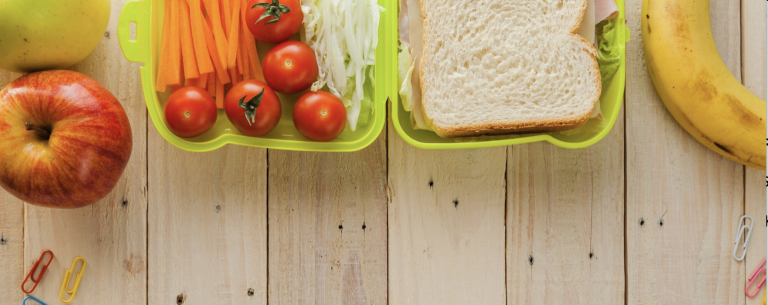
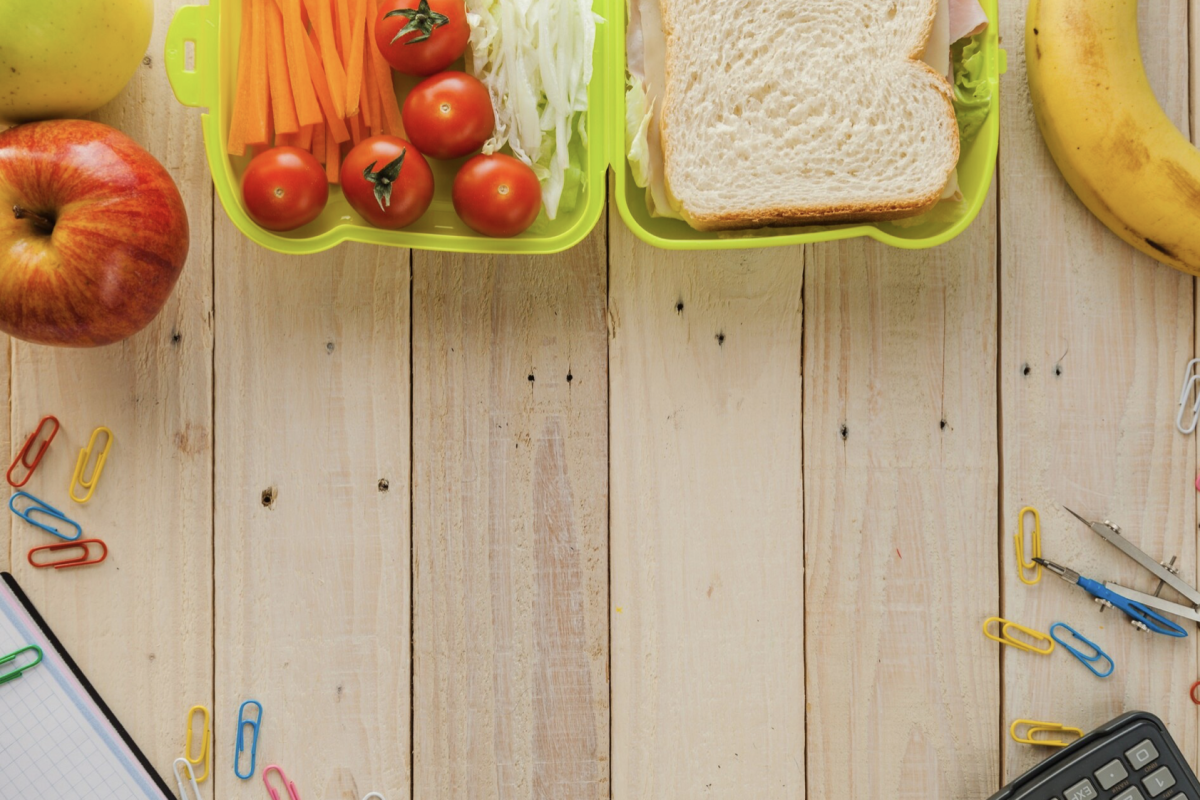
The more colourful the lunch, the better! Vibrant fruits and vegetables are packed with vitamins, minerals, and antioxidants that support everything from immune health to cognitive function. Aim for a variety of colours like red bell peppers, carrots, cherry tomatoes, cucumber slices, and berries. Not only are they visually appealing, but they also provide a wide range of nutrients necessary for optimal health. For each lunch ensure that you pack at least one fruit and one veggie.

Practical Tips for Success

  • Get Kids Involved: Allow your children to help pack their lunches or choose fruits and veggies at the grocery store. They’ll be more likely to eat what they’ve helped prepare.
  • Prep Ahead: Save time in the mornings by prepping lunches the night before or creating easy-to-grab portions of fruits, veggies, and snacks at the start of the week.
  • Balance Treats: It’s okay to include a small treat in their lunchbox, but balance it with nutrient-dense options. For example, pair a small homemade cookie with a fruit and veggie-packed sandwich.
  • Stay Hydrated: Don’t forget to pack a water bottle! Staying hydrated is key to helping children maintain focus and energy levels throughout the day.

The Bottom Line

A well-balanced, nutrient-rich diet can make a world of difference in your child’s school performance, energy levels, and overall health. By focusing on essential nutrients like calcium, vitamin D, unsaturated fats, and iron, and ensuring a variety of whole grains, lean proteins, and colourful fruits and veggies in their lunches, you’ll set them up for success—both inside and outside the classroom.

https://www.youtube.com/watch?v=84usbzX6MCA

Five Powerful Foods to Help Lower Cholesterol Levels Naturally

Managing cholesterol levels is critical for maintaining heart health and reducing the risk of cardiovascular disease (CVD). Fortunately, several common foods have been shown to have significant cholesterol-lowering effects. In this post, we’ll dive into the science behind five nutrient-rich foods that can help lower cholesterol: nuts, beans, oats, apples, and flaxseed.

1. Nuts: A Heart-Healthy Snack

Regular nut consumption has been consistently linked with reduced cholesterol levels and improved heart health. Studies have shown that eating nuts as part of a balanced diet not only lowers overall cholesterol levels but also decreases the risk of type 2 diabetes, metabolic syndrome, and CVD.

In fact, a study involving a Mediterranean diet supplemented with nuts showed a 28% reduction in cardiovascular disease risk. This cholesterol-lowering effect is due to nuts’ high content of fibre, plant sterols, and healthy unsaturated fats. These nutrients work together to reduce LDL (bad) cholesterol while supporting HDL (good) cholesterol levels.

Types of Cholesterol-Lowering Nuts:

  • Pistachios
  • Almonds
  • Cashews
  • Walnuts
  • Peanuts and peanut butter

Incorporating a variety of these nuts into your diet, whether as snacks or part of meals, can have substantial heart health benefits.

2. Beans: Fiber-Packed and Cholesterol-Lowering

Beans are another cholesterol-fighting powerhouse due to their high soluble fiber content. Soluble fiber binds with cholesterol in the digestive system, preventing it from entering the bloodstream. Aim for 10-15 grams of soluble fibre daily to maximize cholesterol-lowering effects.

One study found that consuming just one cup of beans daily can reduce LDL cholesterol by 8%, which translates into a 7% reduction in CVD risk. Adding beans to your meals is an easy and effective way to improve heart health.

Beans High in Soluble Fibre:

  • Black beans (2.4g per cup)
  • Chickpeas (1.3g per cup)
  • Navy beans (2.2g per cup)
  • Refried beans (2.1g per cup)

With such a wide variety of beans to choose from, you can mix them into soups, salads, and dips for a delicious and heart-healthy boost.

3. Oats: A Western Diet Staple

Oats are one of the most well-known foods for lowering cholesterol. Unfortunately, many people in Western diets are not consuming enough fibre, with a recommended goal of 25 grams per day. Oats are a particularly good source of soluble fibre, specifically a type called beta-glucan, which has been shown to lower cholesterol levels.

The cholesterol-lowering effects of oats were first documented in a 1963 study, and in 2007, Health Canada approved health claims regarding oats’ ability to reduce cholesterol and lower CVD risk. A more recent 2020 study found that consuming 3 grams of beta-glucan daily for eight weeks resulted in a 15% reduction in total cholesterol.

Oats for Cholesterol Control:

  • 1 cup of dry oats contains 6.5 grams of beta-glucan.

Starting your day with a bowl of oatmeal or incorporating oats into baked goods can be a simple and effective way to keep your cholesterol levels in check.

4. Flaxseed: A Nutrient-Dense Addition

Flaxseed is rich in fibre and omega-3 fatty acids, both of which contribute to lowering cholesterol levels. Consuming 20-50 grams of flaxseed (2-5 tablespoons) per day has been shown to reduce LDL cholesterol by as much as 15%, according to one study.

How to Use Flaxseed:

  • Add ground flaxseed to smoothies, yogurt, or oatmeal.
  • Use it as an egg substitute in baking or as a topping for salads.

Ground flaxseed is more easily digestible than whole flaxseed, so it’s best to opt for ground flaxseed to maximize its cholesterol-lowering effects.

5. Apples: A Fibre and Polyphenol Powerhouse

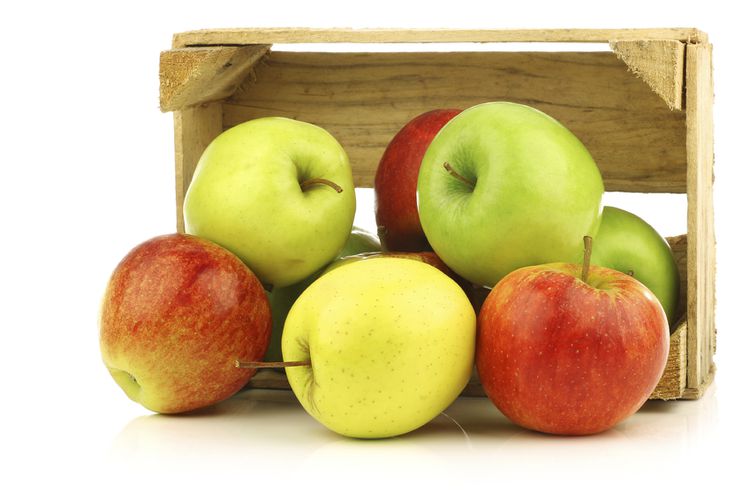
Apples are not only a popular fruit but also an excellent source of fibre—particularly pectin, a type of soluble fibre—and polyphenols, both of which are known to lower cholesterol. Research shows that apple consumption is inversely associated with cardiovascular disease risk, making them a great addition to any heart-healthy diet.

A study found that eating two apples per day can reduce LDL cholesterol by 7% and total cholesterol by 13%. However, it’s important to note that the cholesterol-lowering benefits come from eating whole apples, not apple juice.

Why Apples?:

  • They make up 12.5% of global fruit consumption.
  • Rich in fiber and polyphenols for cardiovascular benefits.

Including apples as part of your daily diet is a simple and tasty way to boost your heart health.

Conclusion

Incorporating foods like nuts, beans, oats, apples, and flaxseed into your diet can make a significant difference in managing cholesterol levels and reducing cardiovascular risk. These nutrient-dense foods are easy to include in everyday meals and snacks, and their cholesterol-lowering properties are backed by strong scientific evidence. By focusing on these heart-healthy foods, you can take proactive steps toward better cardiovascular health and overall well-being.

.

https://youtu.be/NLE9bPeVhds