


Achieving success with SMART goals.
Setting goals is the first step towards turning our visions into reality. However, not all goals are created equal. To maximize our chances of success, it’s essential to craft goals that are specific, measurable, achievable, relevant, and time-bound—otherwise known as SMART goals. Let’s delve into what SMART goals are and how they can serve as a powerful blueprint for personal growth and achievement.
SMART is an acronym that stands for:
Specific: Your goal should be clear, concise, and well-defined. It should answer the questions: What do I want to accomplish? Why is it important? Who is involved? Where will it happen? What are the requirements and constraints?
Measurable: Your goal should be quantifiable, allowing you to track your progress and determine when you’ve successfully achieved it. Define specific criteria or milestones that will indicate your progress along the way.
Achievable: While it’s important to aim high, your goal should also be realistic and attainable. Consider your current resources, skills, and limitations, and set a goal that stretches you without setting you up for failure.
Relevant: Your goal should align with your values, priorities, and long-term objectives. It should be meaningful and relevant to your overall vision for success and fulfillment.
Time-bound: Set a deadline or timeframe for achieving your goal. This creates a sense of urgency and helps prevent procrastination. Be realistic but also ensure that your timeline provides enough motivation to keep you focused and on track.
Why SMART Goals Work
SMART goals help us to define our goals with specificity, and gain clarity on what you want to achieve. This clarity helps eliminate distractions and allows you to focus your energy on activities that move you closer to your objectives. In addition, SMART goals provide tangible metrics for tracking your progress. This allows you to celebrate small victories along the way and make adjustments as needed to stay on course towards your ultimate goal.
How to Implement SMART Goals
Identify Your Objectives: Start by clarifying what you want to achieve. Whether it’s advancing in your career, improving your health and fitness, or mastering a new skill, articulate your goals with specificity.
Break It Down: Break down your overarching goal into smaller, manageable tasks or milestones. This makes your goal more actionable and allows you to track your progress more effectively.
Set SMART Criteria: Apply the SMART criteria to each of your goals to ensure they are specific, measurable, achievable, relevant, and time-bound. Refine your goals as needed to meet these criteria.
Create a Plan: Develop a detailed plan of action outlining the steps you need to take to achieve each goal. Set deadlines for each task or milestone to keep yourself accountable and on track.
Monitor and Adjust: Regularly review your progress towards your goals and make adjustments as needed. Stay flexible and open to new opportunities or changes in direction that may arise along the way.
In Conclusion
SMART goals provide a powerful framework for setting and achieving success in all areas of life. By creating goals that are specific, measurable, achievable, relevant, and time-bound, you can unlock your full potential and turn your dreams into reality. Whether you’re striving for personal growth, professional success, or improved well-being, embracing the SMART approach to goal-setting will set you on the path to a more fulfilling and rewarding life.

Navigating Alcohol Choices with Celiac Disease: What’s Safe and What to Avoid
For individuals with celiac disease, a gluten-free lifestyle isn’t a choice—it’s a necessity for maintaining good health and well-being. While much attention is often given to avoiding gluten in food, the topic of gluten in alcoholic beverages is also important. Let’s explore the world of alcohol and celiac disease to help you make informed choices and enjoy social occasions without compromising your health.
Understanding Gluten in Alcohol
Gluten, a protein found in wheat, barley, regular oats and rye, can sometimes find its way into alcoholic beverages through various ingredients and production processes. While distilled spirits like vodka, gin, and rum are generally considered safe for those with celiac disease due to the distillation process removing gluten, other alcoholic beverages may contain gluten or be at risk of cross-contamination.
Safe Choices for Those with Celiac Disease
- Gluten-Free Beer: Thankfully, the demand for gluten-free options has led to the development of gluten-free beers made from ingredients like sorghum, rice, millet, and corn. These beers undergo rigorous testing to ensure they contain less than 20 parts per million (ppm) of gluten, the threshold for labeling a product as gluten-free. Of special note: gluten-reduced or gluten-removed beers are NOT safe choices for someone with celiac disease.
- Wine: Wine, including red, white, and sparkling varieties, is naturally gluten-free and safe for those with celiac disease. However, it’s essential to be cautious of wine coolers, flavored wines, and wine-based cocktails, as they may contain added ingredients that could contain gluten. So, remember to read those ingredients lists.
- Cider: Hard cider made from apples or other gluten-free fruits is a safe option for individuals with celiac disease. Just be sure to check the label to confirm that it’s gluten-free and hasn’t been cross-contaminated during production.
- Distilled Spirits: Distilled spirits such as vodka, gin, rum, tequila, and brandy are generally considered safe for those with celiac disease, as the distillation process removes gluten proteins. However, flavored spirits and pre-mixed cocktails may contain added ingredients that could contain gluten, so it’s essential to check labels and ingredient lists.
Proceed with Caution
While the above options are generally safe for individuals with celiac disease, it’s crucial to exercise caution and perform due diligence to ensure your chosen beverage is truly gluten free. Here are a few tips to help you navigate alcohol choices safely:
- Read Labels: Always read product labels and ingredient lists carefully to identify any potential sources of gluten. Look for products labeled as gluten-free or certified gluten-free whenever possible.
- Research Brands: Do some research on specific brands and manufacturers to determine their gluten-free status and whether they follow rigorous testing and production practices to minimize the risk of cross-contamination.
- Ask Questions: When in doubt, don’t hesitate to ask bartenders, servers, or manufacturers about the gluten content of a particular beverage. They should be able to provide you with the information you need to make an informed decision.
- Know Your Limits: While some alcoholic beverages may be safe for those with celiac disease, it’s essential to consume alcohol in moderation and be mindful of your individual tolerance and sensitivity to gluten. Health Canada has recently updated their regulations stating there there is NO safe amount of alcohol. Any amount can increase risk. See HERE for more information.
In Conclusion
Living with celiac disease doesn’t mean you have to forgo enjoying a social drink with friends or celebrating special occasions. By understanding which alcoholic beverages are safe for those with celiac disease and taking proactive steps to ensure your choices are gluten-free, you can savor your favorite drinks without compromising your health. Remember to always read labels, do your research, and advocate for yourself to make informed decisions about alcohol consumption. Cheers to a gluten-free lifestyle and a vibrant, thriving life!
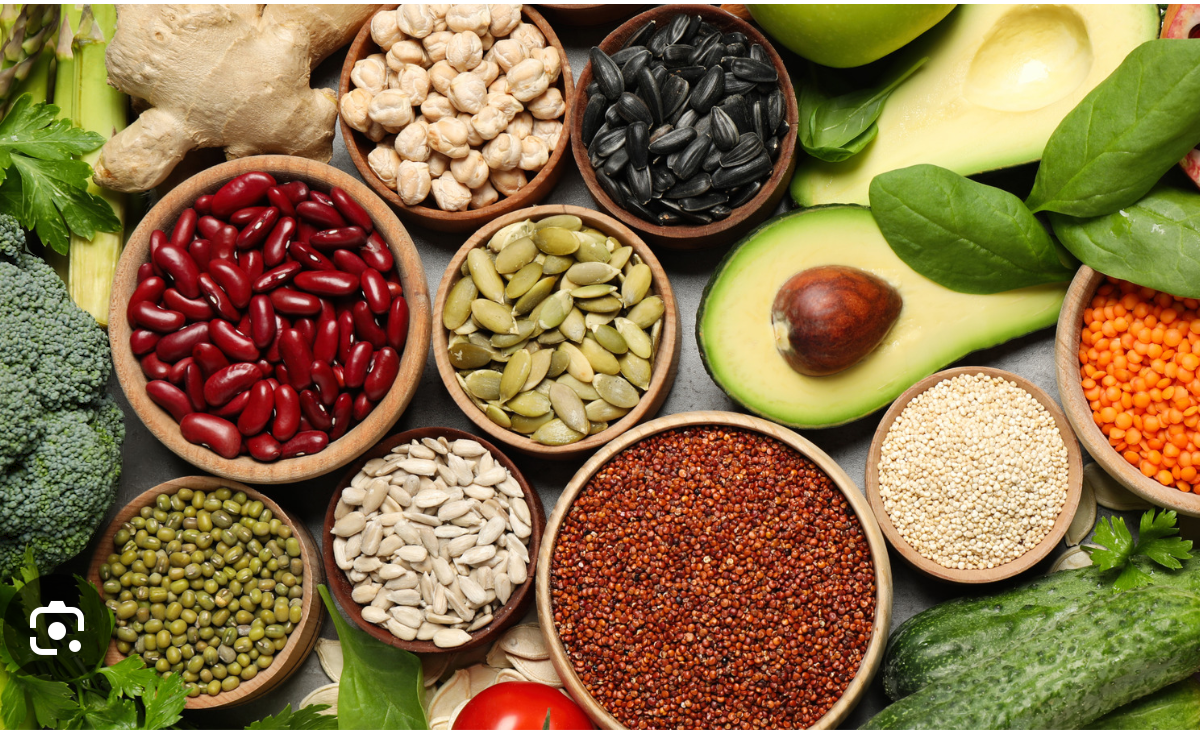
Revamp your summer with these super foods
Looking for a way to get healthy this summer? Check out these superfoods!
Superfoods are nutrient-rich foods that are particularly beneficial for health and well-being. They are packed with vitamins, minerals, antioxidants, and other essential nutrients that support various bodily functions and promote overall health. What sets superfoods apart is their exceptional nutrient density, meaning they offer a high concentration of beneficial compounds relative to their calorie content.
Fatty Fish: Salmon, mackerel, sardines, and trout are rich in omega-3 fatty acids, which are essential for brain health and cardiovascular function. Including fatty fish in your diet can reduce inflammation, improve mood, and support cognitive function. Tip: Aim for fatty fish 2x weekly.
Berries Galore: Load up on antioxidant-rich berries like blueberries, strawberries, and raspberries. They not only add a burst of flavor to your meals but also provide a myriad of health benefits, from improving heart health to boosting brain function. Tip: frozen berries are just as healthy as fresh!
Leafy Greens: Elevate your salads and smoothies with an array of leafy greens such as kale, spinach, and Swiss chard. Packed with vitamins, minerals, and fibre, these greens support overall health and help keep you feeling energized all summer long. Tip: Spinach is an excellent source of iron. Iron helps create hemoglobin, which brings oxygen to your body’s tissues.
Legumes: Beans, lentils, chickpeas, and peas are versatile plant-based sources of protein, fiber, and various vitamins and minerals. Legumes are associated with numerous health benefits, including improved heart health, GI health, and blood sugar control. Tip: add black beans and chickpeas to salads this summer to added flavour, texture and a nutritional boost.
Quinoa Power: Swap out traditional grains for quinoa to boost your protein intake and add a satisfying crunch to your meals. This ancient grain is not only gluten-free but also packed with essential amino acids, making it a perfect addition to any summer dish. Tip: Quinoa is a good source of several minerals, including manganese, phosphorus, copper, folate, iron, magnesium, and zinc.
Nuts and Seeds: Almonds, walnuts, chia seeds, flaxseeds, and hemp seeds are excellent sources of healthy fats, protein, and fibre. These nutrient-dense foods can help reduce the risk of heart disease, support brain health, and promote satiety. Tip: Pumpkin seeds are an excellent source of iron.
Incorporating Superfoods Into Your Diet
Adding superfoods to your diet doesn’t have to be complicated. Here are some simple ways to incorporate these nutritional powerhouses into your meals:
- Start your day with a smoothie packed with leafy greens, berries, and chia seeds.
- Snack on a handful of mixed nuts and seeds for a satisfying and nutritious boost.
- Swap refined grains for whole grains like quinoa, brown rice, or whole wheat pasta.
- Enjoy a colorful salad with a variety of vegetables, leafy greens, and a sprinkle of nuts or seeds.
- Include fatty fish in your meals at least twice a week, whether grilled, baked, or incorporated into salads or sandwiches.
- Experiment with plant-based protein sources like beans, lentils, and tofu in your favorite recipes.
Bottom Line
Superfoods offer a convenient and delicious way to enhance your diet and improve your overall health this summer. By incorporating nutrient-rich foods like berries, leafy greens, nuts, seeds, whole grains, fatty fish, and legumes into your meals, you can nourish your body with the essential nutrients it needs to thrive.